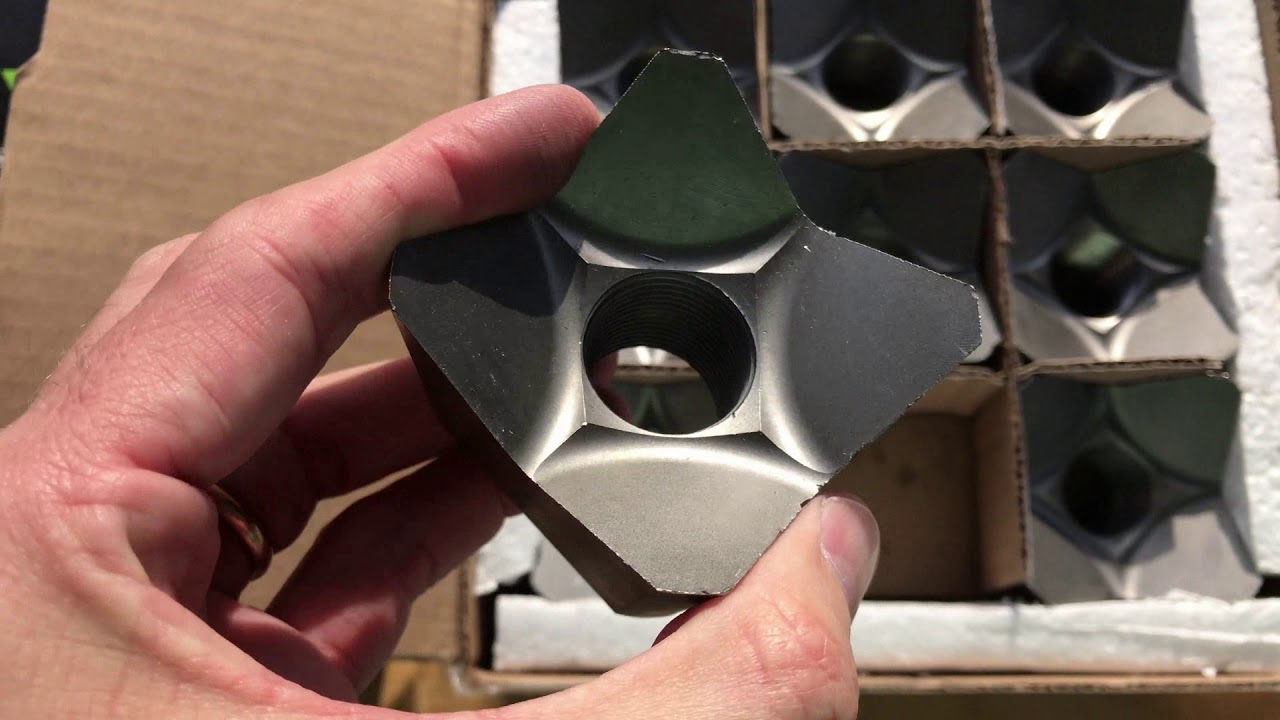
Forestry machines work long hours in rough and demanding outdoor places. These machines cut trees and help move wood for many industries. One important machine used in forests is called a feller-buncher. This machine uses a cutting head to slice through tree trunks. Small parts called saw teeth help the cutting head do this job. Strong feller buncher saw teeth can help the whole machine last longer.
How a Feller Buncher Works in Forests
A feller buncher moves across forest land using tracks or large wheels. It carries a hydraulic arm that holds a cutting head at the front. The cutting head uses a rotating saw blade or cutting system. The machine grabs a tree, cuts it, and holds it safely. After cutting, it places several trees together in neat piles. This makes later transport and processing easier for other machines.
Where Saw Teeth Fit on the Cutting Head
Saw teeth are attached around the cutting system of the head. They are among the first parts to touch the tree trunk surface. These teeth determine the path of the blade to the wood and the movement of the blade. They experience great force, friction and hard impact during cutting. Due to this reason, they wear off so easily compared to many other components. Their status has a high impact on the stability and machine performance.
Reducing Stress on the Cutting Head
When saw teeth are sharp and strong, cutting stays smooth. Smooth cutting means the blade does not struggle through wood. Struggling can cause vibration and shock through the cutting head. These forces may damage bearings, mounts, or other head parts. Stable teeth help keep the cutting motion steady and controlled. This supports longer service life for the cutting head assembly.
Protecting the Hydraulic Arm System
The cutting head connects to a hydraulic arm that moves and positions it. Sudden resistance during cutting can push stress back through this arm. Over time, repeated shock can affect joints and hydraulic parts. Proper saw teeth help the blade enter wood more easily. Easier cutting means fewer sharp force changes during operation. This helps protect the arm and its working systems.
Working in Rough Ground Conditions
Forestry work often takes place on rocky and uneven terrain. Some machines can operate on slopes up to about forty-five degrees. Movement on rough ground already creates stress on machine structures. If cutting is also rough, the total strain becomes much higher. Durable saw teeth help keep cutting smooth, even in hard settings. This balance supports longer life for many machine components.
Handling Dirt, Sand, and Debris
Tree bark often carries dirt, sand, and small stones from the forest. These materials rub against saw teeth during each cut. Weak teeth may wear quickly or lose shape under this contact. Worn teeth can drag instead of cutting cleanly through wood. Dragging increases resistance and strain on the cutting system. Strong wear resistance helps keep teeth working well for longer periods.
Reducing Vibration and Shock
Uneven cutting can cause shaking in the cutting head and arm. Vibration travels through the machine frame and moving systems. Long exposure to vibration can loosen parts and increase wear. Well-shaped saw teeth support even cutting pressure across the trunk. Even pressure reduces sudden changes in force during operation. Lower shock levels help protect many connected machine parts.
Supporting Balanced Machine Operation
Balanced operation helps machines run in a more stable way daily. Stable cutting allows operators to control movement more easily. Sudden jerks or stalls can lead to quick wear in many systems. Reliable saw teeth reduce the chance of these problems during work. Smooth performance supports steady power flow through mechanical parts. This helps keep the machine working properly over long periods.
Fewer Stops for Part Replacement
When the saw teeth wear out quickly, machines must stop for changes. Frequent stops reduce work time during important logging periods. Each stop also places stress on maintenance schedules and workers. Longer-lasting teeth mean fewer interruptions in daily operations. Less downtime helps machines complete more tasks within working seasons. Steady use without many stops supports overall machine longevity.
Supporting Cleaner Cutting Results
Clean cuts also help protect the machine in indirect ways. Rough cutting may cause logs to shift or bind during work. Binding can create sudden load changes in the cutting system. Stable teeth help guide clean and even cuts through the trunk. This supports controlled tree falling and safer handling. Controlled operation helps reduce unexpected stress on machine structures.
Conclusion
Saw teeth are small parts with a large effect on machine life. They face constant force, wear, and impact during forestry cutting. Strong and durable teeth help keep cutting smooth and controlled. Smooth cutting reduces stress on the head, arm, and other systems. Lower vibration and fewer shocks support longer machine service life. Reliable saw teeth help forestry machines work steadily for many years.