Anyone who’s spent time sourcing structural steel for Australian or New Zealand construction projects has probably received a mill certificate at some point that says the material “complies with Australian Standards” — and assumed that was sufficient. In most cases, it isn’t, at least not without reading further. The phrase “Australian Standards” covers hundreds of individual standards, and which specific standard applies to cold-formed structural steel hollow sections matters considerably for whether the material is actually appropriate for the application.
The confusion is understandable. Steel procurement involves multiple overlapping standards, and suppliers sometimes use generic compliance language that technically isn’t false but doesn’t tell you what you actually need to know. For hollow sections used in structural applications in Australia and New Zealand, the relevant standard is AS/NZS 1163, and confirming compliance with that standard specifically — not just “AS standards” generically — is a different exercise than most buyers initially expect.
Why the distinction matters
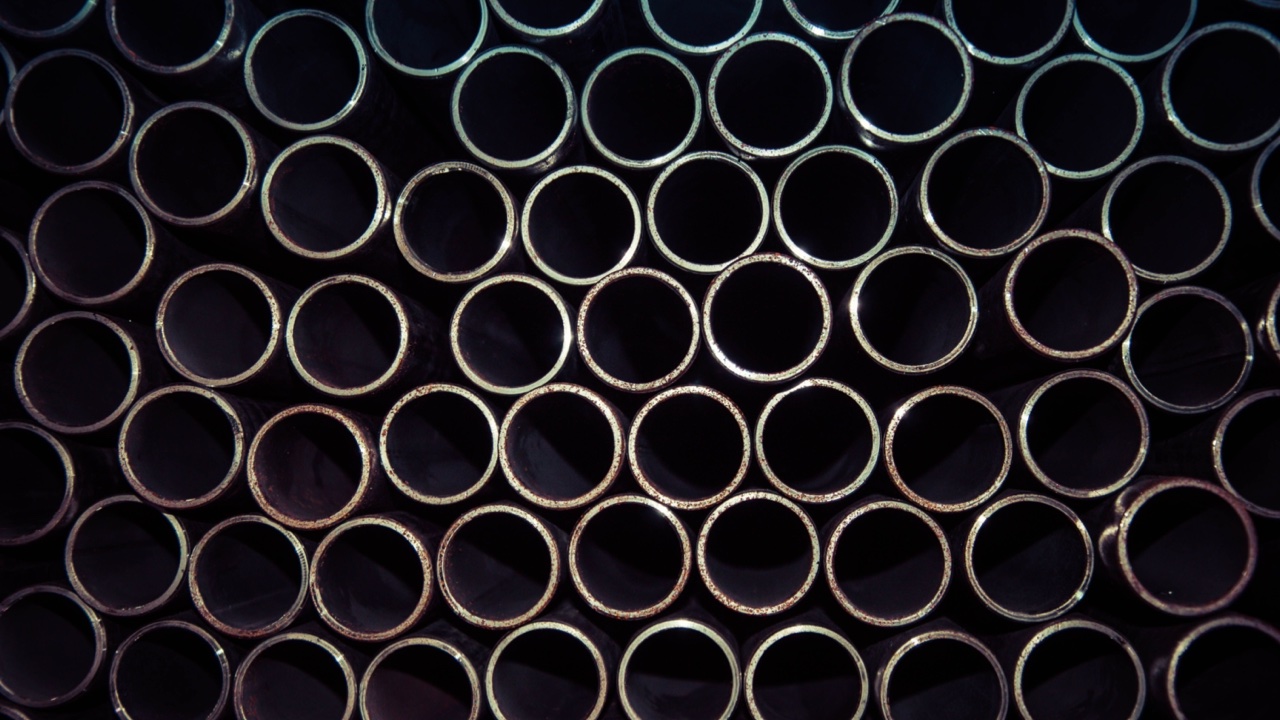
AS/NZS 1163 is specifically scoped to cold-formed structural steel hollow sections: circular hollow sections (CHS), rectangular hollow sections (RHS), and square hollow sections (SHS). It sets out requirements for chemical composition, mechanical properties, dimensional tolerances, and testing for these product forms.
Other standards that might appear on mill certificates for steel products used in construction include AS/NZS 3678 (structural steel — hot-rolled bars and sections), AS/NZS 1554 (welding), AS 4100 (steel structures design standard), and various product-specific standards. None of these is a substitute for AS/NZS 1163 when a project specification calls for hollow sections to that standard.
The problem is that a certificate stating “complies with AS standards” or even “complies with AS/NZS structural standards” doesn’t tell you which standard has actually been applied to the material. A supplier who produces material to different grades or different product standards may issue certificates with similar language across product families, leaving the interpretation to the buyer.
For project work where the engineer of record has specified AS/NZS 1163, receiving material with a generic compliance statement is not the same as receiving material with a certificate that specifically references AS/NZS 1163:2016 (the current edition) and shows test results against the relevant grade requirements.
Grade confusion is common and consequential
AS/NZS 1163 specifies several grades, and which grade applies to a given application is not automatically obvious. The main grades are C250, C350, C250L0, and C350L0. The number indicates the minimum yield strength in MPa (250 or 350). The “L0” suffix indicates a specified minimum Charpy impact energy at 0°C — relevant for applications where low-temperature toughness is required.
A certificate that says “AS/NZS 1163” without specifying the grade is incomplete. C250 and C350 have different yield strength requirements. Substituting C250 for C350 in an application designed to C350 creates an undersized structural member. Substituting a non-L0 grade for an L0 grade in a low-temperature application removes the Charpy requirement entirely, which may not be visible to anyone downstream in the project.
Buyers and project managers who aren’t familiar with the grade structure sometimes accept certificates that show AS/NZS 1163 compliance without confirming the specific grade matches what the project specification requires. This is particularly common when purchasing through distributors who stock multiple grades and may not always ship the exact grade ordered without explicit confirmation being built into the procurement process.
For anyone navigating these requirements, the PANDAPIPE AS/NZS 1163 guide provides a structured overview of how the standard is organized and what each grade designation covers — useful both for buyers new to the standard and for project teams who need to verify that what’s been specified matches what’s being purchased.
What “manufactured to AS/NZS 1163” actually requires
Compliance with AS/NZS 1163 isn’t a self-declaration that any manufacturer can apply to their product. The standard sets out specific requirements for chemical composition limits, tensile testing, yield strength, elongation, and for L0 grades, impact testing. For compliant product:
Chemical composition of the steel must be within the limits specified for the grade. This is verified from ladle analysis (the heat chemistry) and may include product analysis (testing of the finished section).
Mechanical properties must be confirmed through tensile testing of the finished product. Test frequency requirements under the standard are specific — testing is required per heat of steel, per section size range, and the standard prescribes how samples must be taken.
Dimensional tolerances for wall thickness, outer dimensions, and straightness must be within the limits specified in the standard.
A manufacturer claiming AS/NZS 1163 compliance who cannot produce test certificates showing the specific test results against the standard’s requirements for the specific heat and size of material supplied is not providing documentation that actually demonstrates compliance — they’re providing a claim of compliance, which is a different thing.
The mill certificate is the starting point, not the endpoint
The practical implication for procurement is that reviewing the mill certificate carefully — specifically for a direct reference to AS/NZS 1163, the correct grade, and actual test results (not just “meets specification” statements) — is necessary every time structural hollow sections are purchased for a project with AS/NZS 1163 requirements.
This is more straightforward when purchasing directly from mills with established documentation practices. It becomes more variable when purchasing through distribution chains where material may have passed through multiple hands and the documentation may have been summarized or generalized along the way.
Projects where the structural engineer of record needs to sign off on material compliance have the most direct incentive to get this right. But even for projects without formal engineer sign-off, receiving material with proper AS/NZS 1163 documentation is the only way to confirm that the structural assumptions in the design are being met by the material going into the structure.